
Accidents are never fun, especially when they lead to costly financial consequences. Whether it’s a fender-bender that spirals into a massive repair bill or a workplace mishap that requires expensive medical treatment, understanding the intricacies of the insurance claim process, legal rights, and settlements can save you a lot of headaches and heartaches. This guide breaks down the essential elements you need to know if you find yourself tangled in a web of costly financial accidents.
Navigating the Insurance Claim Process
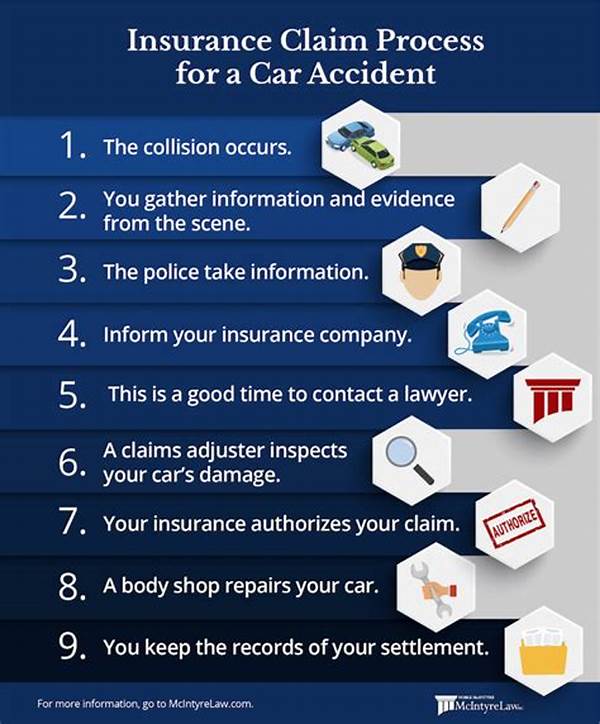
When you’re faced with a costly financial accident, the first step is often dealing with the insurance claim process. It can feel like diving into a sea of paperwork and procedures that might as well be written in ancient hieroglyphs. The insurance claim process starts with reporting the incident to your insurance provider. This means gathering all the details—like when, where, and how the accident happened—so you can present a clear case. Trust me, keeping your facts straight is crucial. And hey, if you need to provide evidence or phone a friend for eyewitness accounts, do what you gotta do!
Once you’ve filed the claim, the waiting game begins. Insurance companies will assess your case, weigh the costs, and figure out how much they’re willing to cover. This part of the insurance claim process can seem like it drags on forever. But hang tight, because knowing your legal rights is key in ensuring you get a fair settlement. Yes, you heard that right—settlements can vary widely, and they depend on the insurer’s policies, the specifics of the accident, and how much you’re willing to fight for what’s rightfully yours.
Getting to the point of a settlement can feel like climbing a mountain with a rucksack full of bricks. But once you’ve waded through the insurance claim process and laid out your legal rights, you can finally start seeing the light at the end of the tunnel. Settlements aren’t just about the dough—they’re about closing this chapter and cutting your losses so you can move on without the financial burden looming over you. So, while the path might be rocky, arm yourself with knowledge about insurance claims, legal rights, and fighting for a fair settlement to navigate these tough times.
Understanding Your Legal Rights
1. Know Your Policy: It’s super important to be familiar with your insurance policy. Yeah, we know paperwork can be a snooze, but trust me, it’s crucial. Whether it’s coverage limits or exclusions, knowing what’s in your policy can help when navigating costly financial accidents through the insurance claim process.
2. Ask Questions: Don’t hesitate to grill your insurance provider. Make them break down jargon until you understand everything. Clarity about your legal rights can make the settlements phase less stressful, like seriously.
3. Document Everything: Keep records of every interaction and document related to your accident. If disputes arise later, having a paper trail ensures you’re not caught off guard.
4. Seek Legal Advice: Sometimes insurance companies play hardball with settlements. Consulting a lawyer might cost you upfront, but it could save you tons in the long-run if costly financial accidents morph into drawn-out legal battles.
5. Fight for What’s Yours: You’ve got legal rights for a reason. If your claim is denied or undervalued, don’t back down. Be prepared to contest decisions that don’t align with the policy terms.
Settlements: The End Game
Finally reaching the settlement stage—it’s like seeing the final credits roll after a dramatic movie. But unlike those flicks, real-life settlements aren’t always neat. They might require a few rounds of negotiation before both parties find common ground. Keep your guard up during the insurance claim process by knowing exactly what your policy should cover. This foresight will be your ally in ensuring you aren’t shortchanged when the settlement checks are cut.
When you’re at the cusp of closure from a costly financial accident, it’s easy to want to just grab the first decent offer and run. But remember, settlements are more than just about cash; they’re about making you whole. So, while that first offer might seem tempting, evaluating whether it actually covers all your losses is fundamental. Legal rights exist to protect you, so they’re worth examining.
Consider settlements as your ticket out of the financial aftermath of an accident. They’re there to tie everything up with a nice little bow, and while they won’t erase what happened, they can make it more bearable. That’s why familiarizing yourself with the insurance claim process and legal rights is invaluable for navigating your unique situation. By arming yourself with this knowledge, you equip yourself with the power to steer through even the costliest financial accidents with the least amount of hassle.
Avoiding Costly Pitfalls in Claims
1. Read the Fine Print: Understanding your insurance policy is crucial. Skimming can lead to overlooking key details that impact claims and settlements post-accident.
2. Prompt Reporting: Delays in notifying your insurer can complicate the insurance claim process. Time is of the essence to safeguard your legal rights.
3. Be Honest: Attempts to fudge the facts can backfire big time. Transparency in detailing events is vital for a fair settlement.
4. Stay Organized: Keep documentation neat. Disorganized records can derail even the best-founded claims, affecting potentially hefty settlements.
5. Engage Experts: Sometimes you need pros to weigh in—be it legal experts for your rights or assessors for damage; their insights could be a game-changer in costly financial accidents.
6. Aim for Precision: Be specific in your descriptions. Vague accounts lead to confusion and weaken your position for a fair settlement.
7. Don’t Settle for Less: Insurance companies often lowball their initial offer. Know your case’s worth before accepting settlement proposals.
8. Negotiate Like a Pro: Skilled negotiation can lead to better settlements. Don’t shy away from pushing back if the initial offer doesn’t meet expectations.
9. Appeals Exist for a Reason: If you’re dissatisfied with a claim decision, remember, the appeal process is there for you to contest costly financial accidents’ adjudications.
10. Evaluate Impact Thoroughly: Seriously evaluate how the accident has affected you. Consider all dimensions—personal, professional, emotional—before agreeing on a settlement.
Preparations for Possible Legal Battles
Let’s not sugarcoat it—sometimes costly financial accidents lead to legal disputes. When insurance claim processes go south, or settlements aren’t forked out fairly, the courtroom looms in the distance. If you happen to find yourself shuffling down this aisle, preparation is your best pal. Gather all your documentation meticulously; timestamps, statements, correspondences—the works. These are your arsenal should you need to defend your legal rights in the trenches of a legal battle.
Legal disputes over settlements can turn into long, drawn-out affairs. The aim is often to reach an amicable resolution outside of court, but this isn’t always possible. Knowing the legal processes inside out is a giant step in managing expectations and setting your course. Engage those who can champion your cause—fine-tuned legal minds that can advocate for solid settlements, offering you some semblance of relief from the financial wreckage a costly accident can leave behind.
If you thought the insurance claim process was intensive, buckle up. The world of legal rights and settlements in the courtroom isn’t for the faint-hearted. Yet, it holds a promise: the potential to receive what you’re entitled to ensure these costly financial mishaps don’t ruin you. Sure, it’s a journey that promises its own set of hurdles. But heading in well-prepared with a bulging bag of evidence stapled with legal expertise is half the battle won. As daunting as it appears, remember that every step of the grievance, every shot at negotiation, and every path pursued is working toward your grind to achieve justice and closure.
Closing Thoughts on Navigating Financial Maelstroms
Costly financial accidents suck, don’t they? But arming yourself with the right knowledge about insurance claim processes, knowing your legal rights, and striving hard for settlements can diminish the sting somewhat. They won’t erase the accident from happening, but they’ll cushion the financial blow and stabilize your post-accident horizon.
Complications abound on this journey, no joke. Yet, empowering yourself with insights into how insurance claims should work, understanding the breadth of your legal rights, and being savvy about settlements could save you from a world of stress. Make these insights your traveling companions through the rough terrains of costly financial mishaps. While they can’t promise a straighter road, they can certainly help smoothen the ride. So, here’s to facing any daunting financial wave with an informed head on your shoulders—because navigating through the choppy waters of expensive accidents becomes infinitely more manageable when you’re packing the power of know-how.

